


%20(1).jpg)


The Rimkeskooi: a little piece of paradise on the Grië
Originally created to provide food for the island, the Rimkeskooi is now a place that contributes to scientific research. This fourth duck decoy on the Grië is inextricably linked to Terschelling. A team of nine volunteers, in collaboration with Staatsbosbeheer, keeps the decoy running. Jan Ellens is one of them.

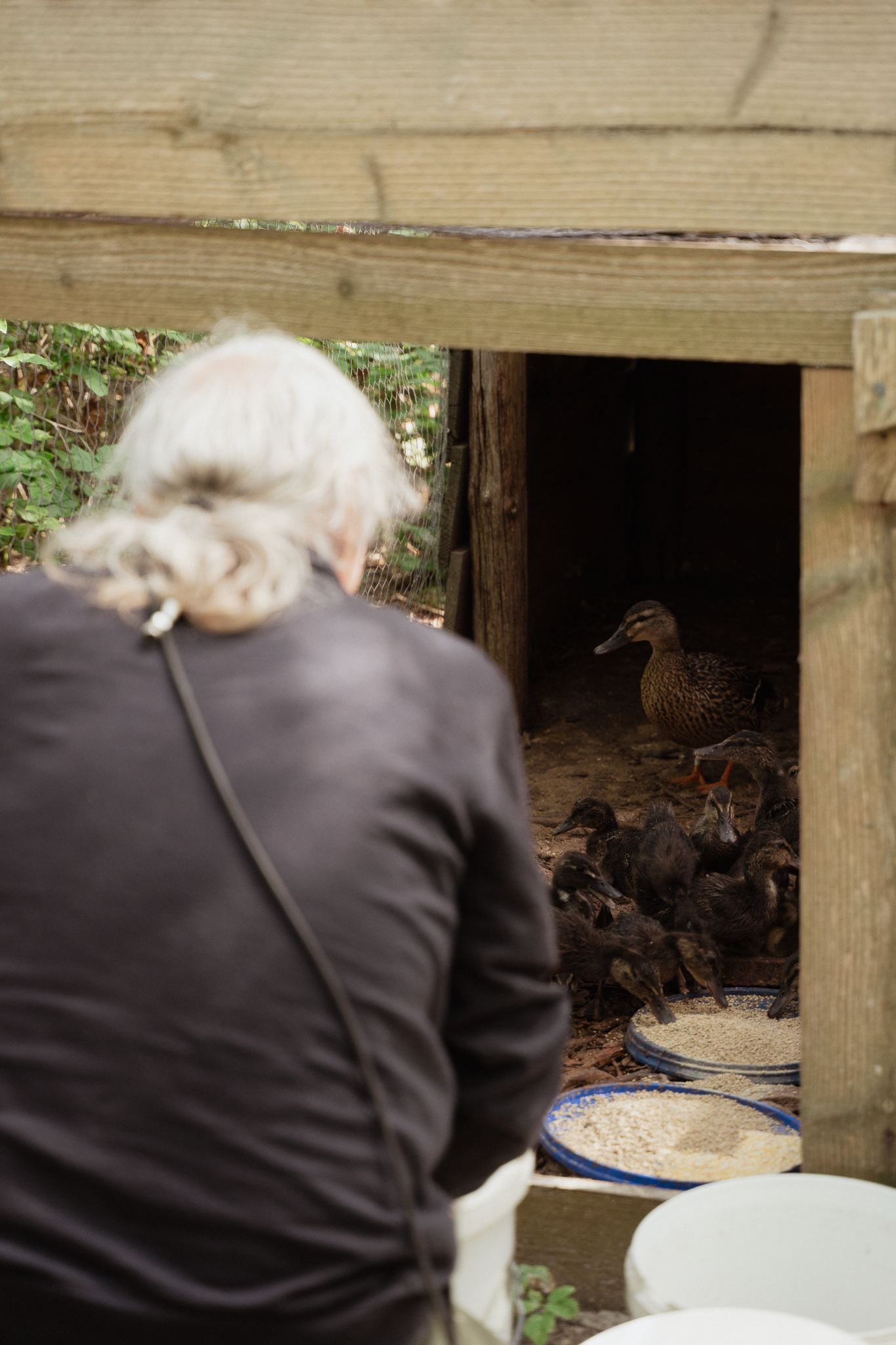
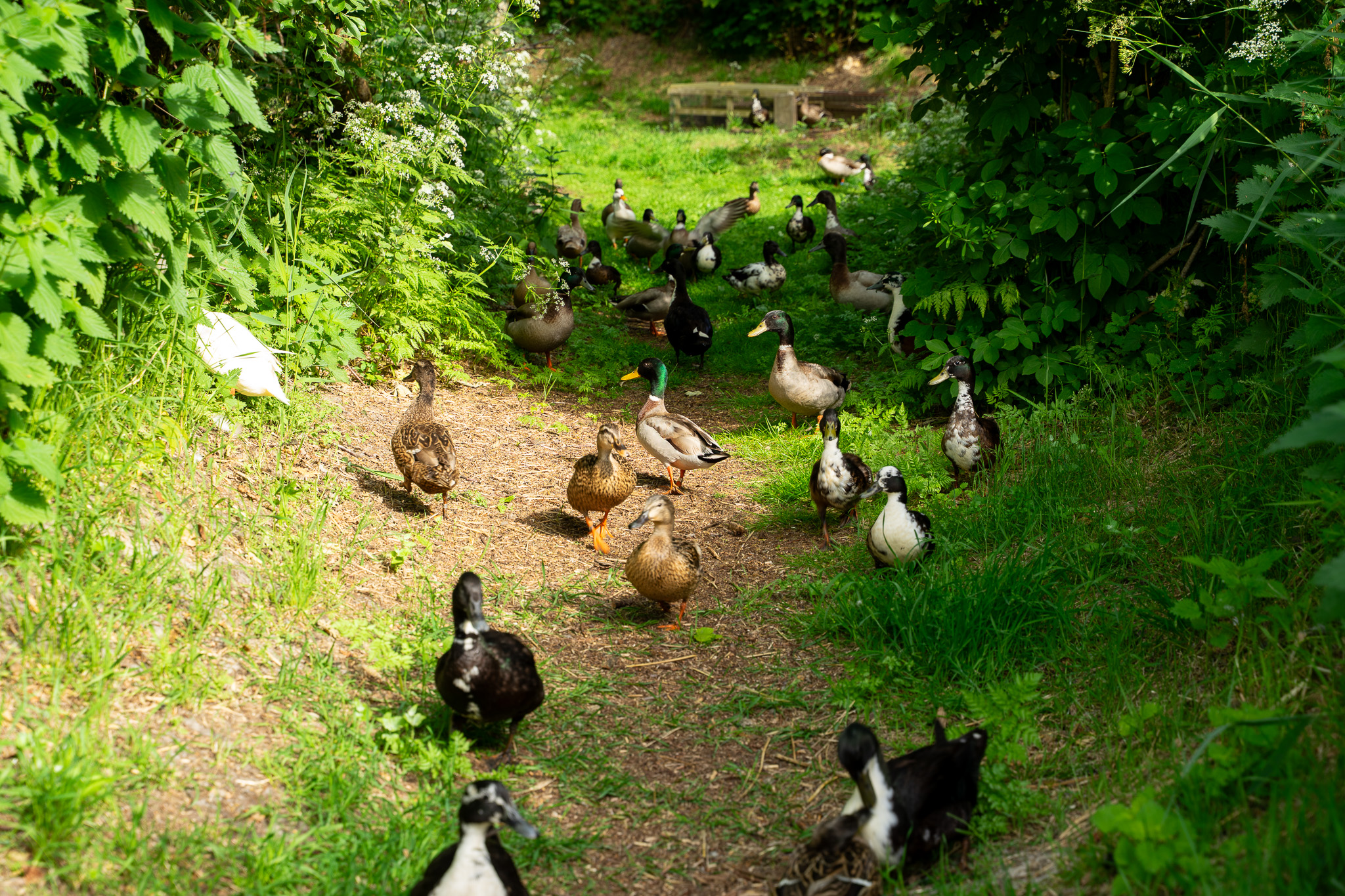
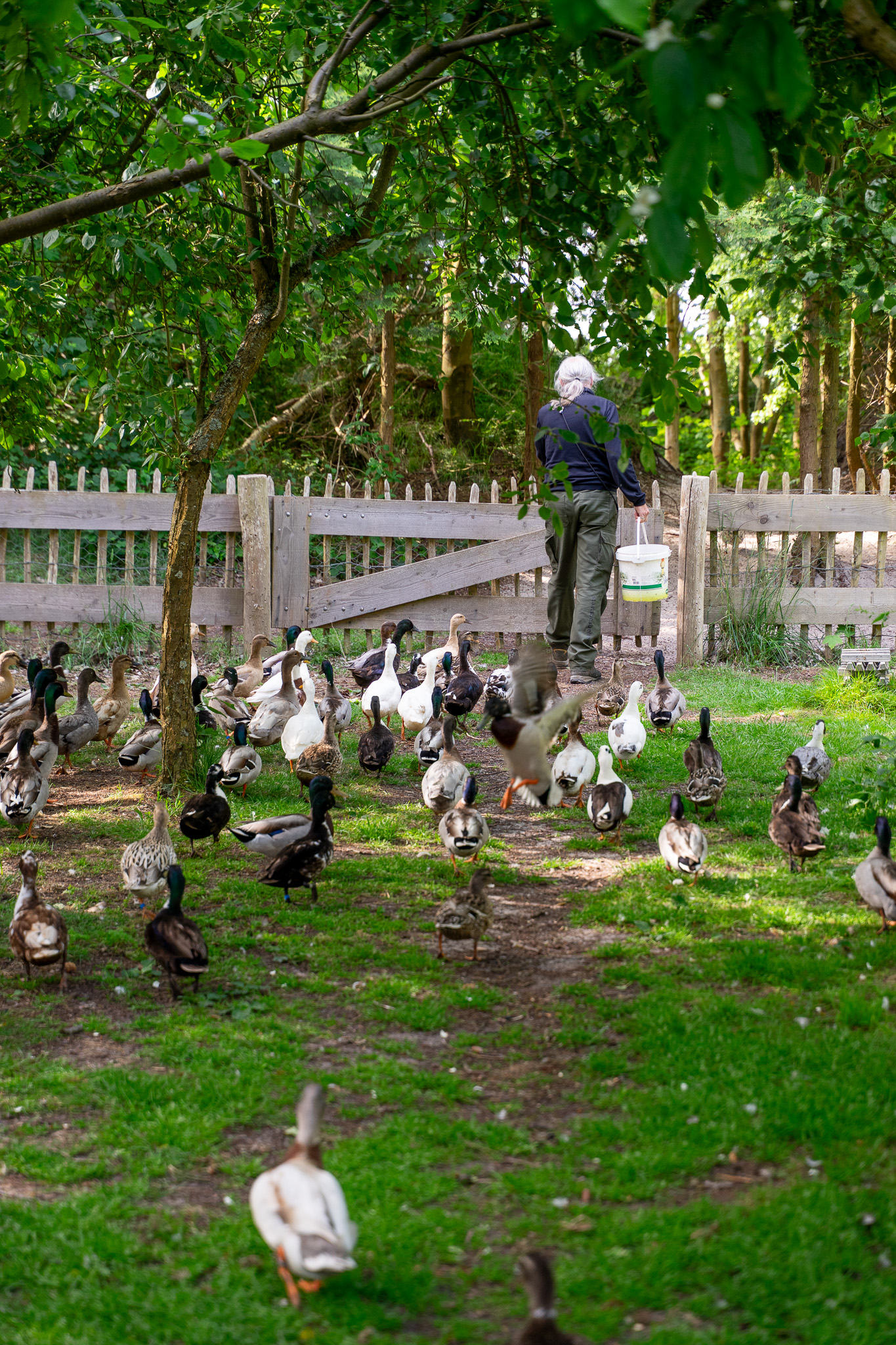
A large group of ducks has already gathered behind the gate. As soon as Jan steps onto the grounds of the Rimkeskooi, a loud quacking erupts. The dozens of animals make it unmistakably clear to Jan what time it is: feeding time! But Jan doesn't let himself be rushed. Relaxed – “calm is the most important thing in a duck decoy” – he fills a large bucket with duck feed and walks to the water, also known as the decoy pond.
In a beautiful color palette of brown, green, black, and white, the ducks surround Jan with every step he takes. The saying about being there like a shot also applies to ducks. Because as soon as Jan scatters the feed into the decoy pond, the group dives right in. Jan smiles. “And that’s how it goes here every day.”
“In the past, thousands of ducks were caught here every year”

From duck hunting to research decoy
The Rimkeskooi is the fourth and final duck decoy on the Grië. The decoy was built at the end of the nineteenth century for hunting wild ducks. At the time, the ducks were an important source of income and food for the islanders. Today, the Rimkeskooi is owned by Staatsbosbeheer. A group of nine volunteers, together with Staatsbosbeheer, handles all maintenance and the daily feedings.
The ducks currently enjoying Jan’s feed play an important role in catching wild ducks. “These are our decoy ducks,” the volunteer decoyman explains. “These are the ducks that have made the decoy their home base. If they wanted to, they could leave just like that. But because they are fed every day, they stay here.”
‘These ducks have made the Rimkeskooi their home base’
With their presence, the decoy ducks lure the wild ducks into the trap. To catch them, the decoyman lures them into one of the catching pipes—a funnel-shaped, narrow ditch connected to the decoy pond—and quietly drives the wild ducks ahead of him. Once the animals reach the end of the pipe, the decoyman drops a small hatch to trap them.
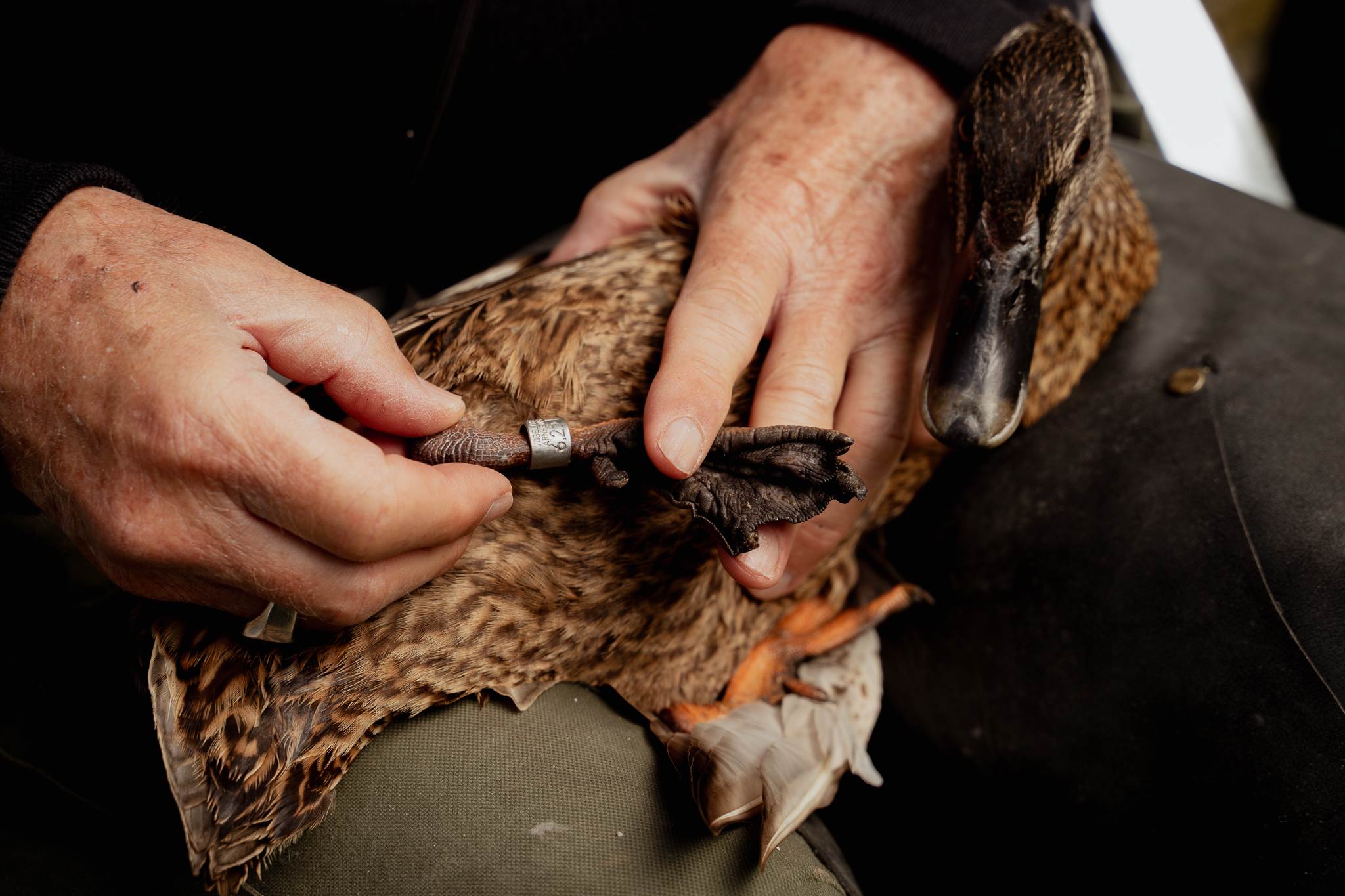
“In the past, thousands of ducks were caught here every year,” Jan notes. “Now we only catch a few dozen a year. No longer for consumption, but for research. We band the birds and record their sex, weight, and estimated age, among other things. We also test them for zoonoses like bird flu. After that, we release them as quickly as possible.” In addition to ducks, hundreds of songbirds are also banded and studied at the Rimkeskooi each year. All research data collected at the Rimkeskooi is sent to the Erasmus MC in Rotterdam.
“This is a little paradise”
Awe for everything that flies
The mallards have eaten their fill and are looking for a spot in the shade under the trees. One by one, they tuck their beaks into their feathers and drift off to sleep. The Rimkeskooi turns into an oasis of peace and quiet. Tucked deep away in the Terschelling countryside, the only sounds here are the rustling of the trees, the song of a bird, and the quacking of a duck. Protected by two dikes and a surrounding row of trees—the decoy wood—the duck decoy is also virtually windless. “This is a little paradise,” Jan aptly describes it.
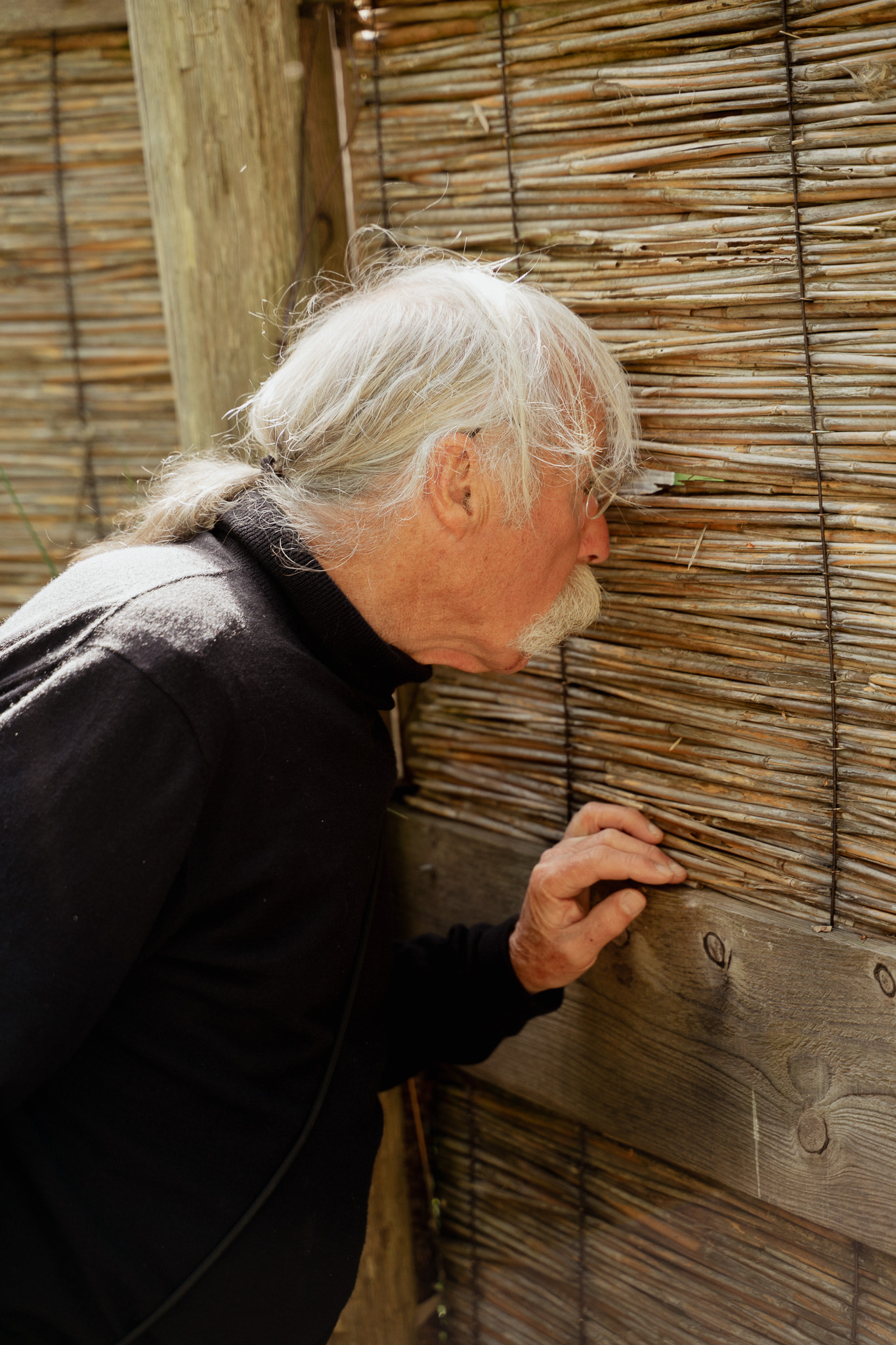
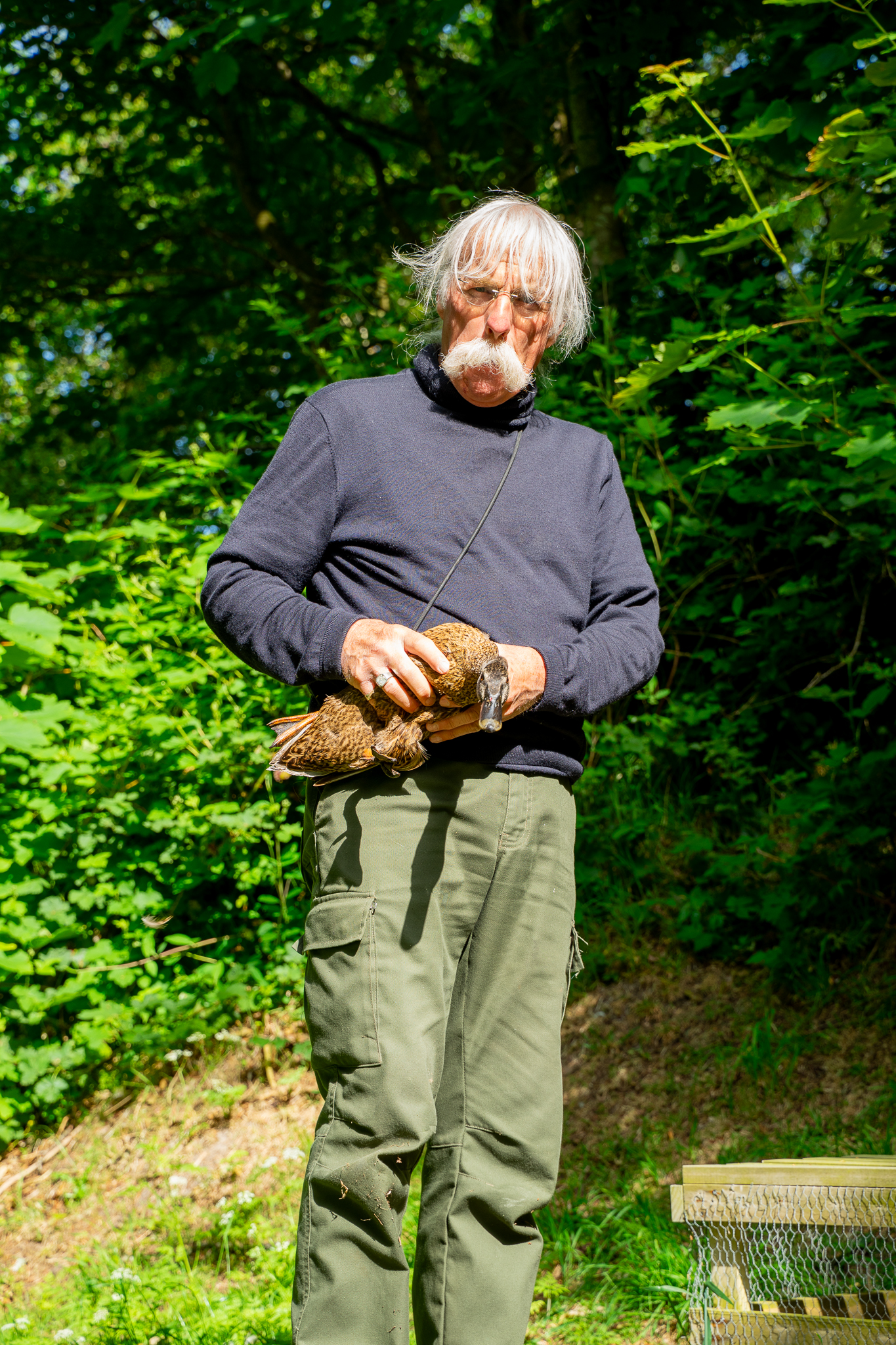
The volunteer decoyman is fascinated by everything with wings. He speaks not only with love about the ducks “with those mischievous little eyes, that sweet look,” but tells with equal enthusiasm about the tiny goldcrest, the geese in the polder, and the ringed plovers and little terns on the beach. “Birds are so incredibly strong. I never cease to be amazed by the distances migratory birds cover, their flawless sense of direction, and their resilience. I can only have awe for that.”
After a final round through the decoy, Jan closes the gate behind him. The work is done. “It doesn’t matter how often I come here, this place remains beautiful. Duck decoys are part of the island. I am glad that the Rimkeskooi has been given a second life as a research decoy. This way, the decoy continues to exist and we can make a valuable contribution to science.” Next week, Jan will return to the decoy. And the ducks? They will be waiting for him.