Over de Boschplaat

De Boschplaat op Terschelling is één van de grootste en meest dynamische natuurgebieden van ons land. De Boschplaat is een Europees natuurreservaat, UNESCO Werelderfgoed en een Dark Sky Park.

Het is een belangrijk leefgebied voor veel bijzondere dier- en plantensoorten als lepelaars, eidereenden, lamsoor en zeekraal.

Situation before

From bare sandbank to unique nature reserve

The Boschplaat was created by the wind, sand and sea. In the seventeenth century, it was still a bare sandbank. It eventually grew attached to Terschelling. Over the centuries, drifting sand caused the growth of the various “dunes”.

With the construction of the Stuifdijk, the play of wind, water and sand largely came to a standstill. The sand supply from the beach was blocked. Sludge was still able to reach the area. As a result, the salt marshes were able to develop undisturbed and the number of plants and birds increased spectacularly.

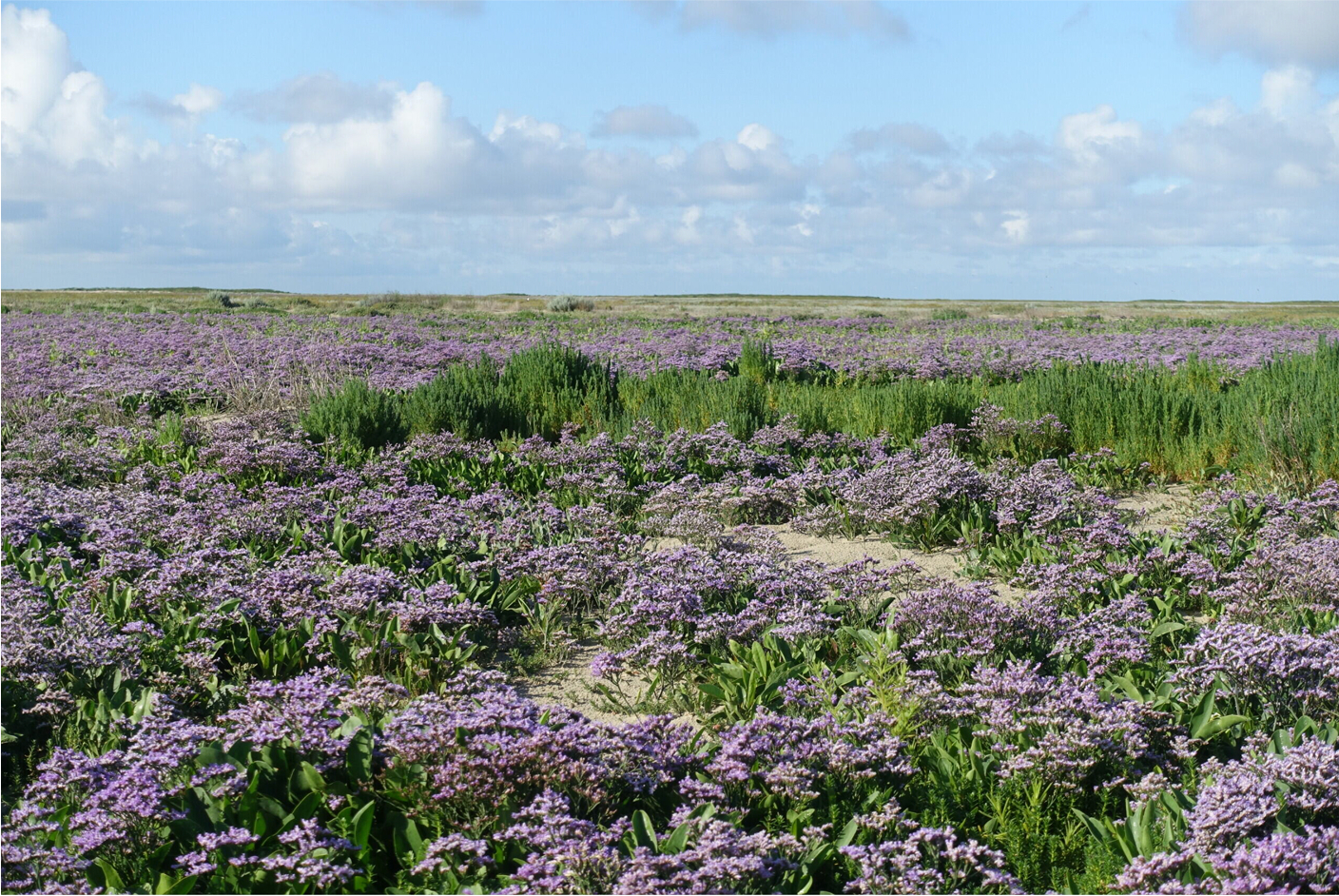
That changed in the 1980s, and grasses and reeds increasingly got the upper hand due to the lack of dynamism in the area. This was at the expense of vulnerable salt marsh species such as catthorn, sea lavender, sea aster and parnassia. The number of plant and animal species continued to decline and the landscape became more monotonous.

Uitzicht vanaf de stuifduin op de dijk
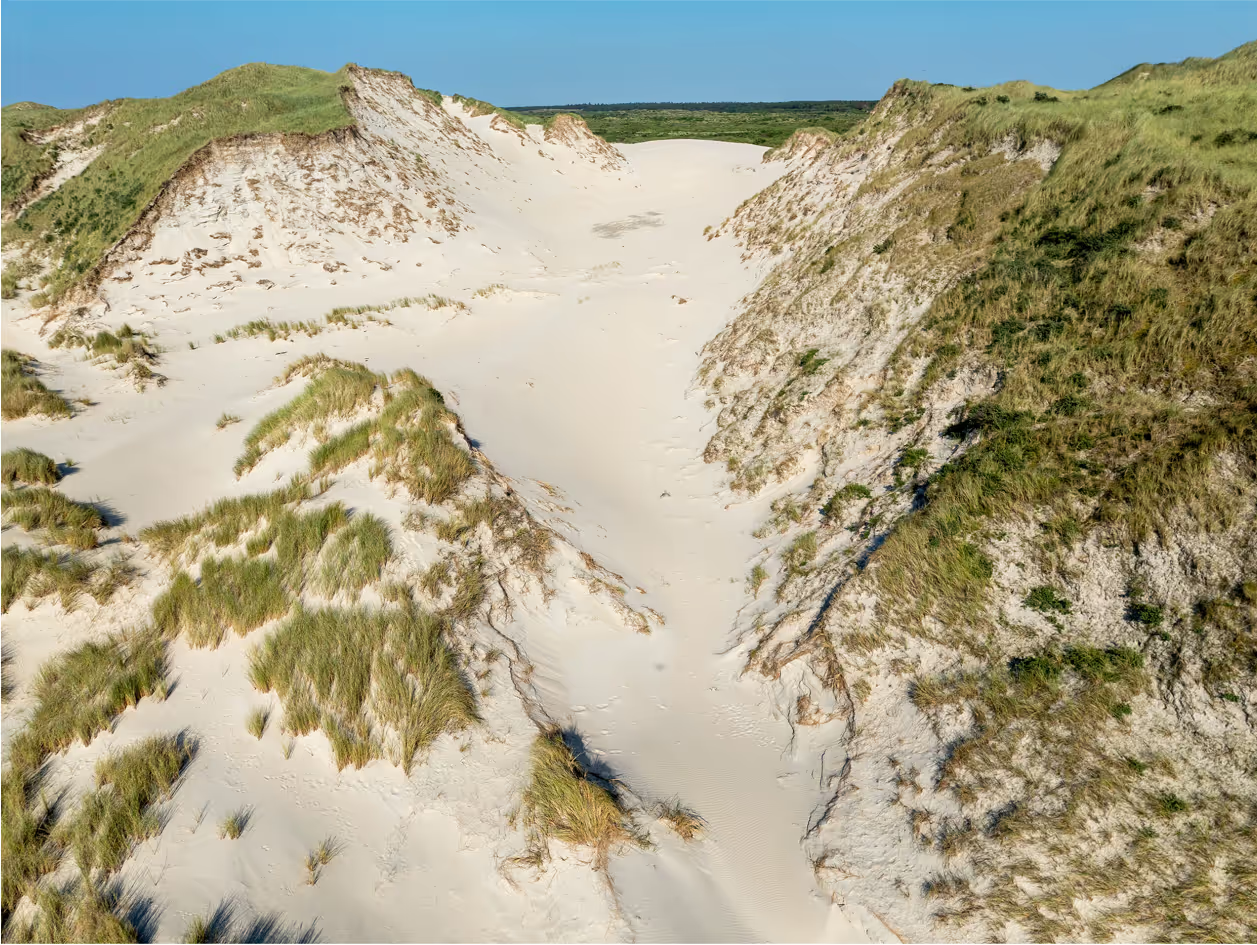
Droneshot van een stuifduin op de Boschplaat

Current situation

One of the largest and most dynamic nature reserves in our country

Because the Boschplaat is no longer supplied with sand from the North Sea, the area is almost no longer elevated. This makes it vulnerable to sea level rise and other consequences of climate change. If we do nothing, the salt marshes will be flooded more and more often. Plant species will disappear, nests of breeding birds will wash away more often.

Uitzicht met een lucht vol vogels en de grassen van de Boschplaat.

The wide primeval landscape is not only beautiful to see, but also very important for birds. Every year, thousands of birds breed here. Hundreds of thousands more migratory birds come to the Boschplaat to recover after their long journeys.

“The Boschplaat needs dynamism again. Change. Movement.”

Heide met paarse bloemen op de Boschplaat

Future situation

We're bringing back the dynamic

In the coming years, we will be working on the Boschplaat. With a series of measures, we are bringing back the dynamism and offering biodiversity a helping hand. This is the only way we can preserve the area and restore biodiversity.

Droneshot van een het aanzicht van de stuifduin op de Boschplaat. Mooi uitzicht

What if we do nothing?

Flooding and widening of the Boschplaat

The Boschplaat in its current form was created by man. When the dynamics in the area came to a standstill, the elevation of the area also stopped. However, sea level rise is faster than rising. The Bosch plate could therefore 'drown' and inundate breeding grounds.

Uitzicht met een lucht vol vogels en de grassen van de Boschplaat.

Due to the lack of dynamism, the plant world on the Boschplaat can develop undisturbed. Herbs like sea aster, sea lavender and cat's door are slowly disappearing. This is replaced by grasses and reeds. The vegetation would become increasingly tall and rugged, making it increasingly difficult for salt marsh birds such as redshank, skylark and curlew.


Other breeding birds, such as oystercatchers, clots and terns, would also have a hard time. These birds breed at the edge of the salt marshes, on the low parts. As the sea level rises, these breeding grounds would flood more and more frequently in the future. Nests would wash away, the number of birds would continue to decline.

Program

How are we going to do that?

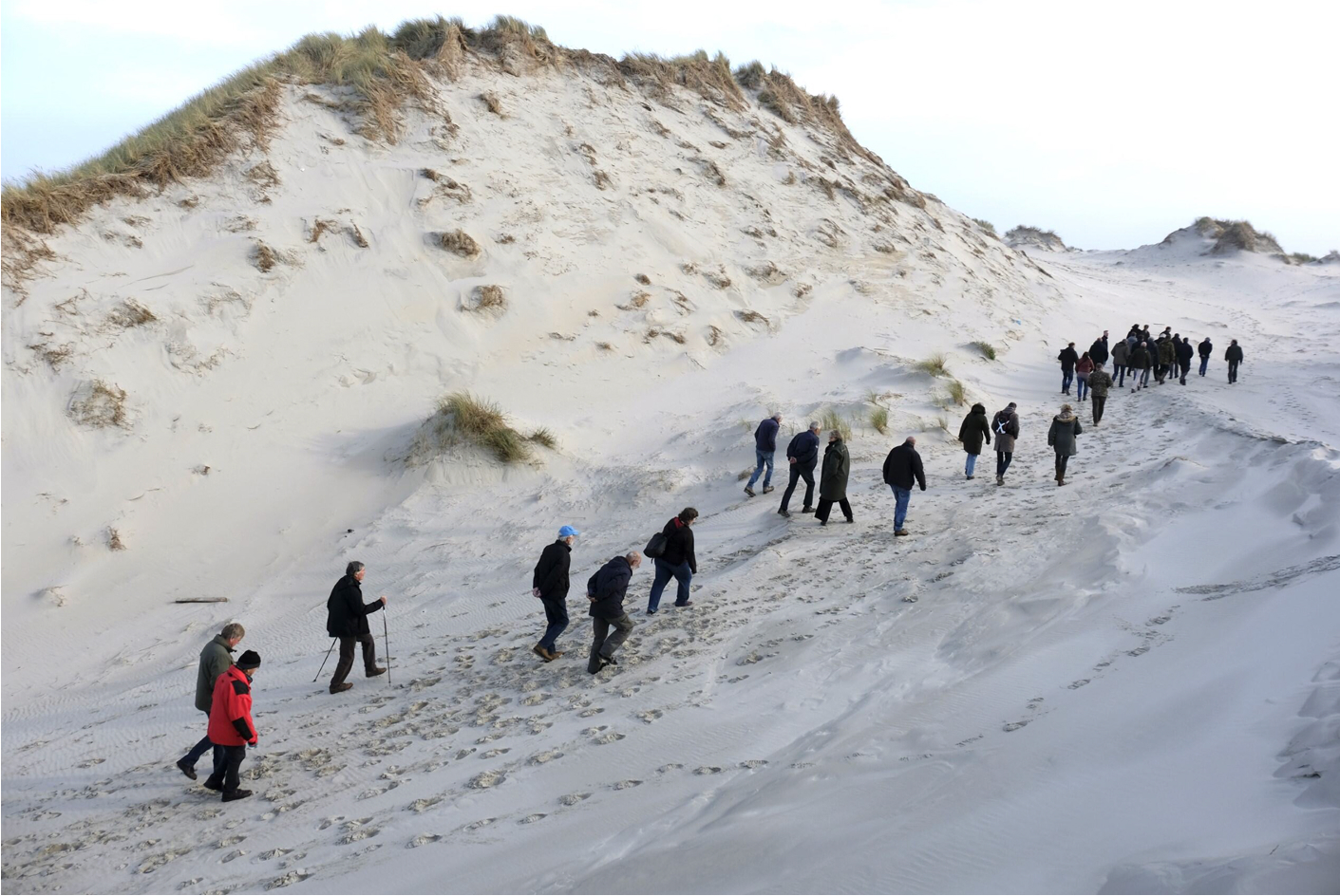
Uitzicht Boschplaat Terschelling vanaf duin